March 5, 2026 · 5 min read
Postpartum Care for Muslim Mothers: Honoring the 40-Day Tradition

Suqoon Team
Expert home care guidance for Muslim families
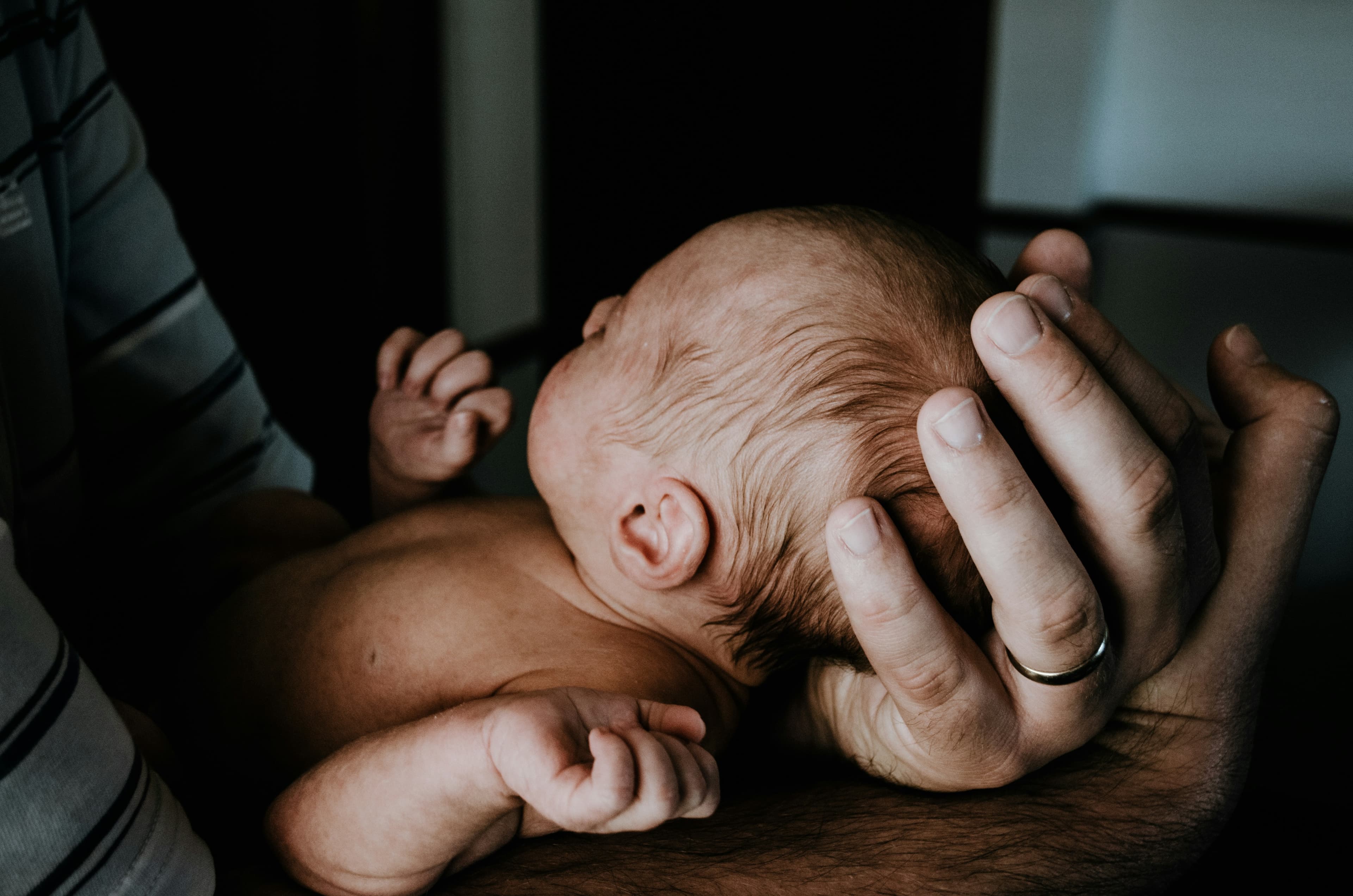
In Muslim cultures around the world, the first 40 days after childbirth are a sacred period of rest, recovery, and bonding. The new mother is cared for by her family — her own mother, mother-in-law, sisters, and aunts — while she focuses entirely on healing and nurturing her newborn. This tradition, practiced across South Asian, Middle Eastern, and African Muslim communities, recognizes what modern medicine now confirms: postpartum recovery requires significant support.
For Muslim mothers in Canada, this tradition is increasingly difficult to maintain.
Why is the 40-day tradition so important?
The 40-day postpartum period (known as nifas in Islamic jurisprudence) is both a spiritual and practical framework. During this time, the mother is exempt from prayer and fasting, recognizing the physical demands of recovery. The Prophet Muhammad (peace be upon him) emphasized gentleness and care for new mothers, and Islamic scholars have long advocated for rest during this period.
Beyond the spiritual dimension, the tradition serves a critical health function. Postpartum recovery involves physical healing (especially after cesarean delivery), hormonal adjustment, sleep deprivation, and the emotional transition to motherhood. Studies from the Journal of Midwifery & Women's Health show that mothers with strong postpartum support have significantly lower rates of postpartum depression and faster physical recovery.
The 40-day tradition provides exactly this support — when family is available to give it.
What challenges do Muslim mothers in Canada face?
Many Muslim families in the Greater Toronto Area and across Canada are first or second-generation immigrants. Their extended family — the aunts, grandmothers, and sisters who would traditionally provide postpartum support — often live thousands of miles away.
The result is a gap that hits particularly hard:
No one to cook. Preparing nutritious meals while recovering from childbirth and caring for a newborn is nearly impossible alone. Traditional postpartum foods — soups, dates, specific cultural dishes — require time and knowledge to prepare.
No one to help with the baby. Newborns need constant care. Without someone to hold the baby while the mother sleeps, showers, or simply rests, exhaustion compounds rapidly.
Household tasks pile up. Laundry, cleaning, groceries — all the daily tasks that don't pause for a new baby. Without help, the mother either does them at the expense of her recovery or watches them accumulate, adding stress.
Older children need attention. For mothers with existing children, the challenge multiplies. Someone needs to manage school runs, meals, and activities while the mother is recovering.
Isolation. Without family present, many new Muslim mothers experience profound loneliness during what should be a supported, communal experience. This isolation is a significant risk factor for caregiver burnout and postpartum depression.
What does postpartum care look like in practice?
Professional postpartum care fills the role that extended family traditionally plays. A postpartum caregiver can provide:
- Halal meal preparation — nourishing soups, traditional postpartum foods, snacks, and meals for the whole family
- Newborn care support — burping, changing, soothing the baby so the mother can rest
- Breastfeeding support — helping with positioning, ensuring the mother stays hydrated and nourished
- Light housekeeping — laundry, tidying, dishes, and general household maintenance
- Sibling care — engaging older children, helping with homework, school routines
- Overnight support — handling nighttime feedings and changes so the mother can sleep
The key difference from a generic postpartum doula: a culturally-aligned caregiver understands the specific traditions, foods, and values that matter to Muslim families. She knows how to prepare the dishes your mother would have made. She understands the spiritual significance of the 40-day period. She respects the family's modesty preferences and religious practices.
How do you find the right postpartum caregiver?
When evaluating postpartum care options, Muslim mothers should ask the same key questions as any family seeking culturally-sensitive home care:
- Can you match me with a female caregiver? (For postpartum care, this is almost always essential.)
- Does the caregiver have experience with newborn care?
- Can she prepare halal meals, including traditional postpartum dishes?
- Does she speak my preferred language?
- Is she comfortable in a Muslim household — prayer times, hijab, Islamic etiquette?
Don't settle for a provider who treats these as "nice to have." For postpartum care, cultural alignment is essential to the mother's comfort and recovery.
When should you arrange postpartum care?
Start looking during your third trimester. Good caregivers book up quickly, and you'll want to have someone confirmed before your due date. Many families arrange 2-4 weeks of daily support, with the option to extend if needed.
Some things to plan in advance:
- How many hours per day do you need? (4-8 hours is typical)
- Do you need overnight support?
- Will the caregiver need to manage older children?
- What meals do you want prepared?
You deserve the support your mother had
The 40-day tradition exists because Muslim communities understood — long before modern research confirmed it — that new mothers need rest, nourishment, and care. If your family isn't nearby to provide this, professional postpartum support is not a luxury. It's a continuation of a tradition that honors both the mother and the child.
Ready to find a culturally-aligned caregiver for your loved one? Start your free care request — it takes less than 5 minutes.