February 10, 2026 · 5 min read
5 Signs Your Aging Parent May Need Home Care Support

Suqoon Team
Expert home care guidance for Muslim families
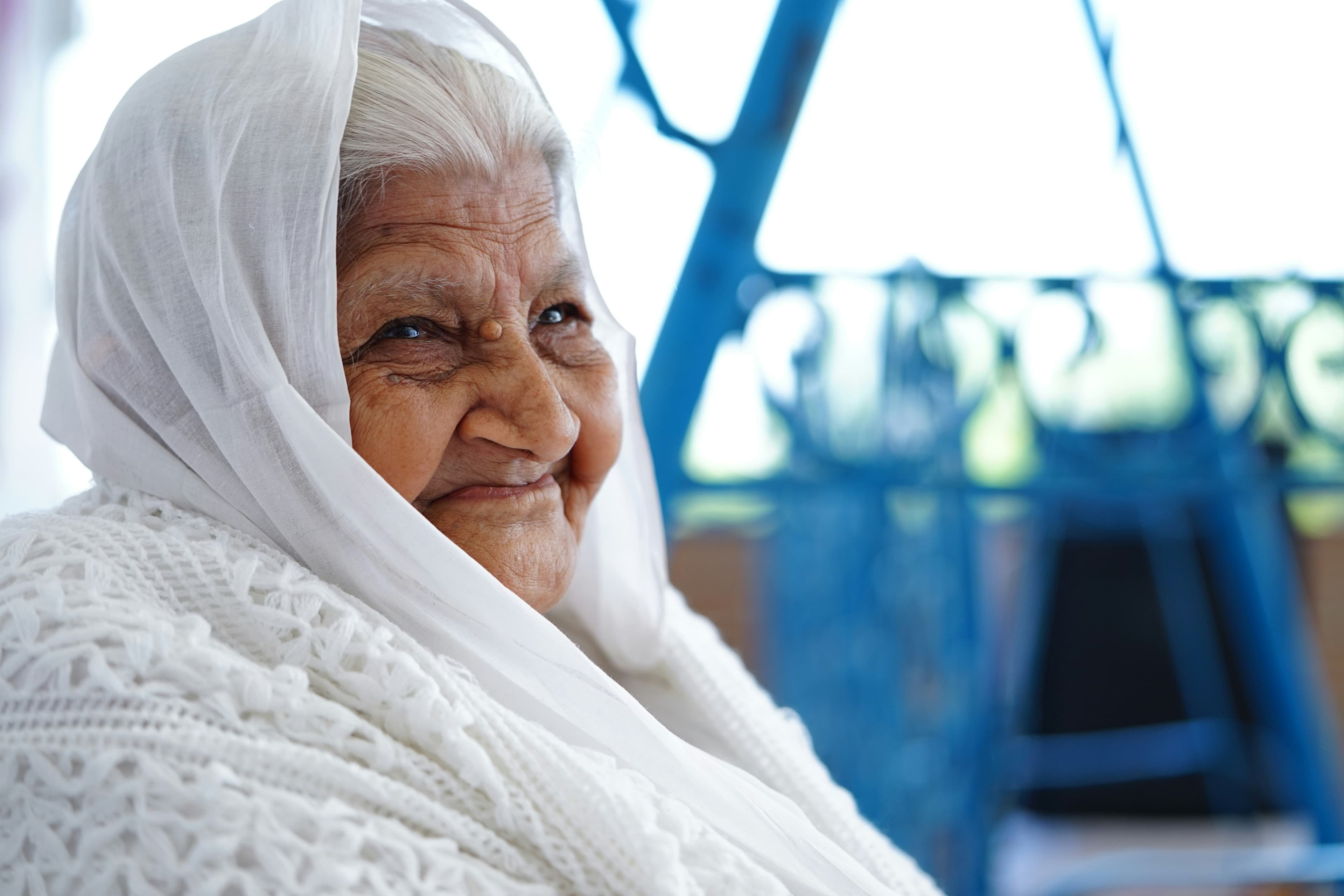
Recognizing when a parent needs help isn't always straightforward. The changes are often gradual — a forgotten medication here, a skipped meal there. By the time adult children notice, their parent may have been struggling quietly for months.
Here are five signs that suggest it may be time to explore home care support.
1. Difficulty with daily tasks
The activities of daily living — bathing, dressing, cooking, cleaning, and managing personal hygiene — are often the first areas affected by aging. Watch for:
- Unwashed dishes piling up or an unusually messy home when your parent has always been tidy.
- Changes in personal grooming. Are they wearing the same clothes for days? Has personal hygiene declined?
- Difficulty preparing meals. Are they relying on packaged foods or skipping meals entirely?
- Trouble with mobility. Do they struggle getting in and out of chairs, navigating stairs, or moving between rooms?
These changes don't necessarily mean your parent can't live independently. They mean they could benefit from support — someone to help with the tasks that have become challenging. If you're ready to take that step, here's what to expect during your first home care visit.
2. Safety concerns at home
Falls are the leading cause of injury among older adults. If your parent has fallen recently — or if you notice hazards they seem unaware of — it's a serious warning sign.
Look for:
- Unexplained bruises or injuries they brush off or can't explain.
- Burn marks on hands or arms from cooking.
- Leaving the stove or oven on after use.
- Difficulty managing locks, appliances, or household equipment.
- Getting lost in familiar areas or while driving.
A home care worker can help reduce these risks by providing supervision, assisting with potentially dangerous tasks, and ensuring the home environment is safe.
3. Social isolation and loneliness
Aging often brings loss — of a spouse, friends, mobility, or the ability to drive. These losses can lead to profound isolation, which is directly linked to depression, cognitive decline, and worsening physical health.
Signs of isolation include:
- Withdrawing from activities they used to enjoy — community events, mosque or church, social gatherings.
- Rarely leaving the house or expressing reluctance to go out.
- Changes in mood — increased sadness, irritability, or apathy.
- Loss of interest in hobbies, reading, or television.
A companion caregiver provides more than physical assistance. They offer conversation, engagement, and a reason for your parent to look forward to the day. For Muslim families, a caregiver who shares the same faith can provide an especially meaningful connection — someone to share duas with, discuss community news, or simply sit together in comfortable familiarity.
4. Medication mismanagement
Managing multiple medications is complex at any age. For elderly parents, the risk of errors increases significantly.
Warning signs include:
- Missed doses or taking medications at the wrong times.
- Duplicate doses — finding too many or too few pills in the weekly organizer.
- Expired medications accumulating in the medicine cabinet.
- Confusion about what each medication is for or how to take it.
- Adverse reactions that may indicate a drug interaction.
Medication errors can have serious consequences, from hospitalization to life-threatening complications. A home care worker can provide medication reminders, help organize prescriptions, and alert family members if they notice irregularities.
5. You're experiencing caregiver burnout
This sign isn't about your parent — it's about you. Many adult children take on the role of caregiver without recognizing the toll it takes.
Ask yourself:
- Are you exhausted? Physically, emotionally, or both.
- Is caregiving affecting your work, relationships, or health?
- Do you feel guilty when you can't be there, and resentful when you are?
- Have you stopped doing things you enjoy because caregiving consumes your time?
- Are you making decisions about your parent's care out of frustration rather than thoughtfulness?
Caregiver burnout is real, and it's not a sign of weakness. It's a sign that the current arrangement is unsustainable. Bringing in professional home care isn't giving up — it's ensuring that both you and your parent get the support you need. If this resonates, read our guide on respite care for Muslim family caregivers.
What to do next?
If you recognized your family in any of these signs, the next step doesn't have to be drastic. Home care is flexible — it can start with a few hours a week and adjust as needs change.
Begin with a conversation. Talk to your parent about what they're finding difficult. Approach it from a place of love, not criticism. Many elderly parents fear losing independence, so frame the discussion around support rather than replacement.
Then explore your options. Look for a home care provider that understands your family's values, language, and cultural expectations. For Muslim families, this means finding caregivers who respect prayer times, dietary needs, and the concept of haya (modesty) — not as special accommodations, but as a natural part of the care they provide. Learn more in our guide to finding religiously sensitive home care in the GTA.
Your parent cared for you when you couldn't care for yourself. Now it's your turn to ensure they receive the compassionate, dignified support they deserve.
Ready to find a culturally-aligned caregiver? Start your free care request — it takes less than 5 minutes.